
Mesa Plant Removal Services
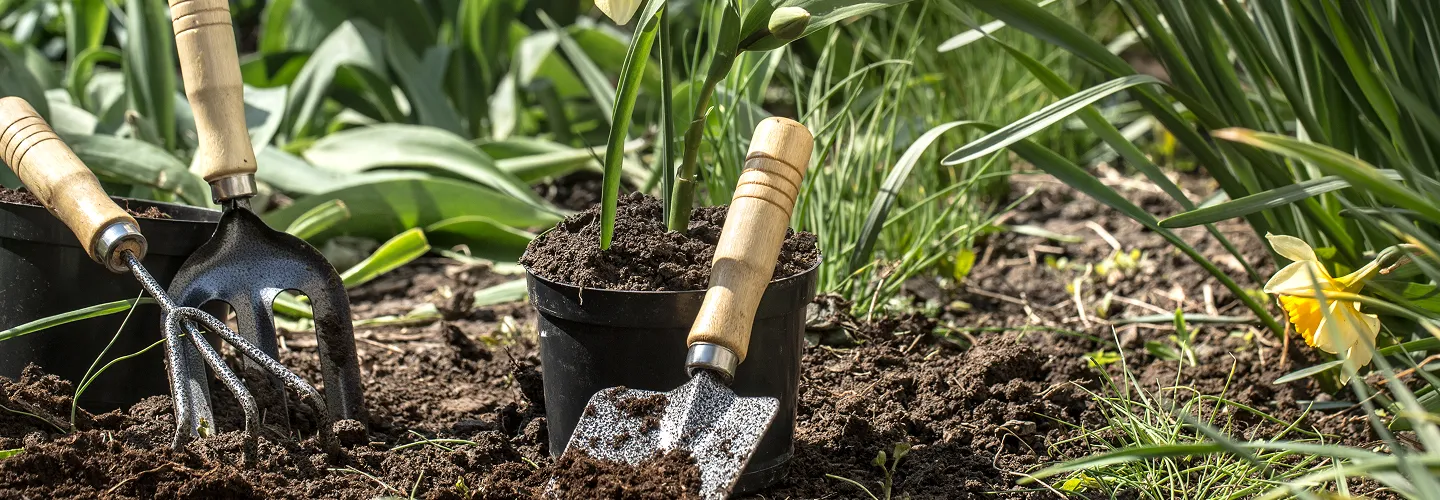
Choose our plant removal services for safe, thorough, and eco-friendly solutions that restore your landscape’s beauty while saving you time and effort.
Get a Free QuoteOur Mesa Landscaping & Yard Care Services
When to Schedule Plant Removal in Mesa, Arizona – Seasonal Guide
In Mesa, Arizona, timing your plant removal is crucial for both the health of your landscape and the efficiency of the process. The region’s unique Sonoran Desert climate means that optimal removal periods often fall between late fall and early spring, when temperatures are milder and the risk of heat stress is lower for both plants and workers. For neighborhoods near Red Mountain Park or the Dobson Ranch area, local microclimates—such as increased shade from mature trees or proximity to irrigation canals—can also influence the best timing for removal projects.
Mesa’s soil composition, which ranges from sandy loam in Eastmark to clay-heavy patches near Falcon Field, affects root systems and removal difficulty. Additionally, local environmental factors like the average last frost date in February, summer drought risk, and monsoon season humidity should be considered. Homeowners should also be aware of municipal guidelines and seasonal restrictions, which can be found on the city’s official website, to ensure compliance and avoid fines.
Local Factors to Consider for Plant Removal in Mesa
- Tree and shrub density in your yard
- Terrain slope and accessibility
- Seasonal precipitation and monsoon timing
- Proximity to irrigation systems or canals
- Soil type (sandy, clay, or rocky)
- Shade coverage from nearby structures or mature trees
- Municipal restrictions or permit requirements
Benefits of Plant Removal in Mesa
Expert Landscaping Services
Efficient Plant Removal
Improved Curb Appeal
Eco-Friendly Disposal
Customized Solutions
Licensed and Insured Team
Mesa Plant Removal Types

Manual Plant Removal
-
Chemical Weed Control
-
Mechanical Uprooting
-
Stump Grinding
-
Root Excavation
-
Selective Clearing
-
Invasive Species Removal
Our Plant Removal Process
Site Evaluation
Preparation and Safety Measures
Plant Extraction
Debris Removal
Site Restoration
Why Choose Mesa Landscape Services
-
Mesa Homeowners Trust Us
-
Expert Lawn Maintenance
-
Reliable Irrigation Solutions
-
Competitive Pricing
-
Professional Team
-
Satisfaction Guarantee
-
Personalized Service
Coordinating Plant Removal With Mesa's Municipal Departments and Disposal Programs
Plant removal in Mesa requires coordination with city departments that oversee waste handling, environmental compliance, and land development. Residents and property managers should verify current green waste disposal procedures through the city's bulk collection and transfer station programs before beginning any removal project. Organic debris from plant removal—including root masses, stems, and foliage—must be separated from general refuse and handled according to municipal solid waste guidelines. Properties adjacent to public rights-of-way, drainage corridors, or retention basins may require additional review through the city's engineering or development services offices to confirm that removal activities do not compromise stormwater infrastructure or violate site-specific conditions.
- Confirm green waste bundling and container requirements with the city before scheduling curbside pickup
- Verify whether commercial-scale plant removal debris requires direct hauling to an approved transfer station
- Contact development services if the removal site borders a public wash, flood-control channel, or retention basin
Mesa Environmental and Sustainability Division
Official Website: Mesa Environmental and Sustainability Division
Mesa Engineering Division
Official Website: Mesa Engineering Division - Engineering Design Standards
How Mesa's Low-Desert Heat and Alkaline Soils Affect Plant Removal
Mesa sits within the Phoenix metro low-desert region, classified under USDA Hardiness Zone 9b to 10a, where summer temperatures routinely exceed 110°F and annual rainfall averages under eight inches. These conditions directly influence plant removal logistics and site stabilization. Soils across much of Mesa tend toward alkaline sandy loam and frequently include caliche layers—cemented calcium carbonate horizons that resist excavation and complicate root extraction. Decomposed granite and compacted subdivision fill are also common in newer developments, requiring mechanical assistance for deep-rooted species.
- Caliche obstruction: Root systems of established desert plants often grow laterally above caliche layers, creating wide root zones that extend well beyond the visible canopy
- Post-removal erosion risk: Bare soil exposed after plant removal is highly vulnerable to monsoon runoff, which can carry sediment into washes, retention basins, and municipal storm sewer systems
- Heat-accelerated decomposition: Removed plant material left on-site in summer can desiccate rapidly, creating fire-prone debris piles that should be hauled promptly
Monsoon storms between July and September generate intense, short-duration rainfall that can mobilize loose soil and organic debris from recently cleared sites. Stabilizing exposed ground with gravel, decomposed granite, or temporary erosion blankets is a critical step following any plant removal in Mesa.
Navigating Mesa's Regulatory Requirements for Plant Removal Compliance
Plant removal in Mesa may trigger regulatory review depending on the property's zoning designation, proximity to drainage infrastructure, and the scope of disturbance. The Mesa Development Services - Codes and Ordinances office administers local land development regulations that may apply when removal activities alter site grading, affect required landscape screening, or disturb vegetation within designated setback areas. Properties within planned community overlays or specific zoning districts may have additional landscape preservation requirements that restrict removal without prior approval.
- Removal of vegetation required by an approved landscape plan may necessitate a plan amendment through the Mesa Development Services Department
- Any use of chemical herbicides for root treatment or regrowth suppression requires applicator licensing under the Arizona Department of Agriculture
- Disturbed sites must comply with Arizona DEQ stormwater provisions, particularly where removal exposes soil within drainage pathways
- Noxious weed species identified by the Arizona Department of Agriculture may carry specific disposal and reporting obligations
Property owners should confirm whether their parcel falls within a floodplain, wash buffer, or special planning area before initiating removal, as these designations can impose additional stabilization and revegetation requirements.
Mesa Development Services Department
Official Website: Mesa Development Services Department
Timing and Methods for Professional Plant Removal in Mesa's Climate
Professional plant removal in Mesa follows timing and technique standards shaped by the region's extreme heat, monsoon season, and soil conditions. Late fall through early spring—roughly November through March—represents the most practical window for large-scale removal projects, as cooler temperatures reduce heat-related safety risks for crews and allow more effective site stabilization before monsoon season arrives.
- Root-zone excavation: Established desert shrubs and ornamental plants in Mesa often develop root systems that extend two to three times the canopy width; mechanical extraction using mini-excavators or stump grinders is frequently necessary where caliche prevents manual removal
- Site stabilization: Exposed soil should be covered with decomposed granite, rock mulch, or erosion-control fabric within 48 hours of removal to prevent wind erosion and monsoon washout
- Debris routing: All removed plant material—including root balls, branches, and foliage—should be separated from soil and inorganic waste for proper green waste disposal or composting
- Irrigation system audit: Removal of established plants often leaves orphaned drip emitters or buried irrigation lines that must be capped, rerouted, or removed to prevent water waste and subsurface saturation
When removal occurs during summer months, early-morning scheduling is standard practice to avoid peak heat exposure. Dust suppression through light watering of the work area is advisable to maintain compliance with Maricopa County air quality standards.
What Neighborhoods Do We Serve Throughout Mesa, AZ?
- Dobson Ranch — Mature landscaping on irrigated lots frequently requires removal of overgrown oleanders, privet hedges, and aging citrus trees, with root systems often intertwined with aging drip irrigation infrastructure
- Las Sendas — Hillside and desert-edge properties present slope stabilization challenges after plant removal, with wash-adjacent parcels requiring careful erosion control
- Superstition Springs — Dense subdivision layouts with block-wall enclosures create reflected heat zones where removed plant sites must be stabilized quickly to prevent wind-driven soil loss
- Dana Park / Mesa Arts District — Older residential and mixed-use properties in central Mesa often contain legacy plantings with extensive root systems near foundations and utility lines
- Red Mountain Ranch — Properties bordering natural desert open space may face HOA landscape requirements and preserve-adjacency restrictions that affect removal scope and replanting obligations
- Eastmark — Newer subdivision fill soils and compact lot configurations require attention to drainage grading and irrigation system integrity during and after plant removal