
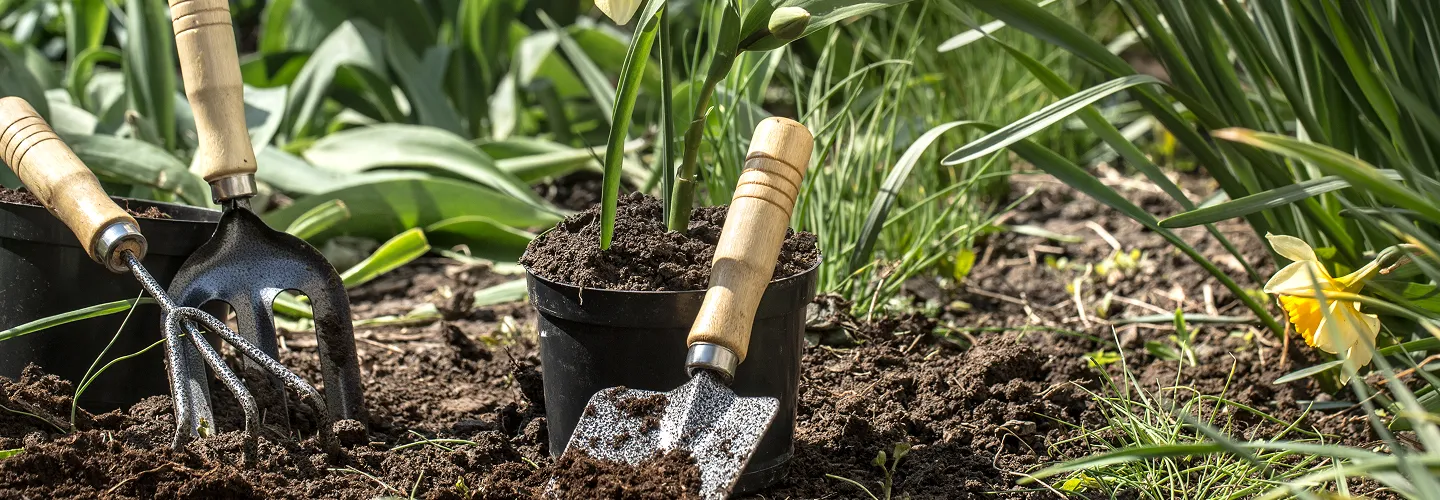
Mesa Weeding Services
Choose our expert weeding services for a healthier, more beautiful landscape—our experienced team ensures your yard stays weed-free, saving you time and effort while enhancing your curb appeal.
Get a Free QuoteOur Mesa Landscaping & Yard Care Services
When to Schedule Weeding in Mesa, Arizona – Seasonal Guide
In Mesa, Arizona, timing your weeding services is crucial for maintaining healthy, attractive landscapes throughout the year. The region’s hot, arid climate and unique soil conditions mean that weeds can thrive if not managed proactively. Typically, the best times for weeding are early spring and late fall, when temperatures are milder and soil moisture is more favorable for removing roots completely. Neighborhoods near Red Mountain Park or Dobson Ranch, for example, often see weed growth surge after winter rains or during the monsoon season, making these periods ideal for scheduling service.
Local environmental factors such as the last frost date (usually in late February), drought risk during the summer, and the prevalence of clay-heavy soils all play a role in determining the optimal weeding schedule. Areas with dense shade from mature trees, like those around Mesa Grande Cultural Park, may require more frequent attention due to increased humidity and organic debris. For more information on local climate and landscaping best practices, visit the Mesa city resources.
Local Factors to Consider for Weeding in Mesa
- Tree density and shade coverage
- Soil type (sandy vs. clay-heavy)
- Seasonal precipitation and monsoon patterns
- Proximity to irrigation systems
- Municipal restrictions or HOA guidelines
- Terrain slope and drainage characteristics
Benefits of Weeding in Mesa
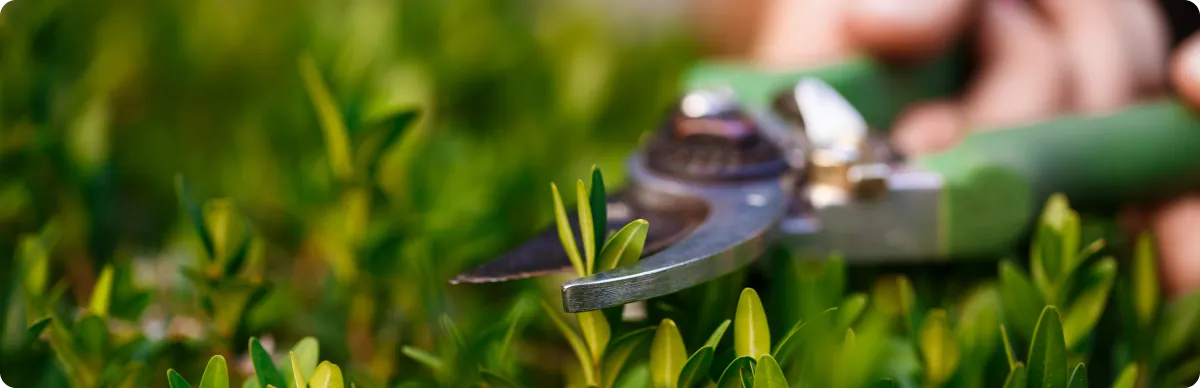
Improved Curb Appeal
Healthier Plants and Lawns
Reduced Pest Infestations
Enhanced Soil Quality
Professional and Reliable Service
Time and Effort Savings
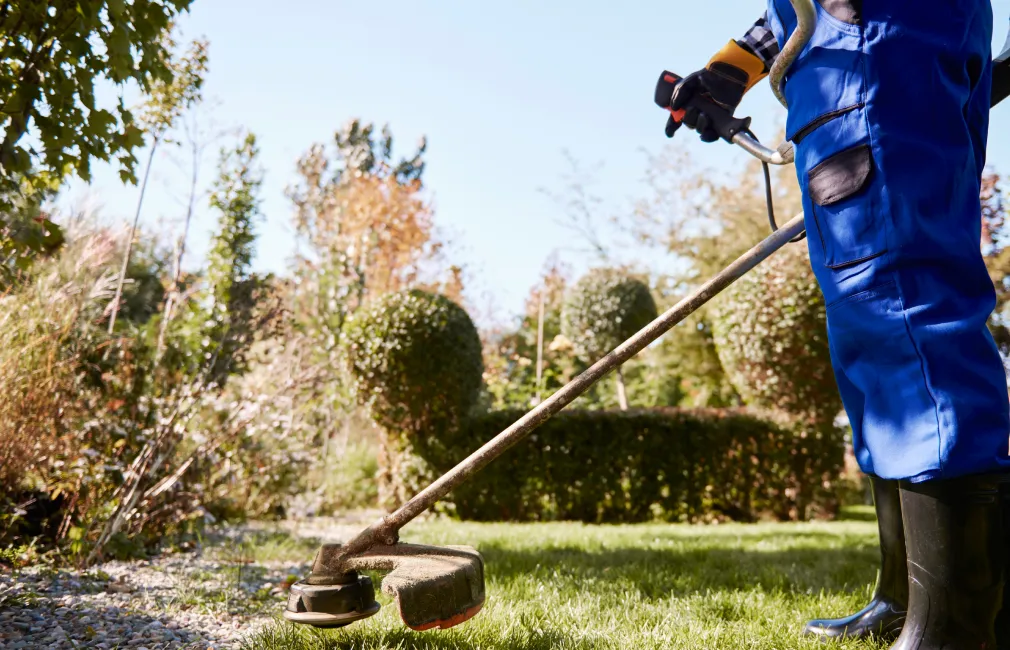
Mesa Weeding Types

Hand Weeding
-
Mechanical Weeding
-
Chemical Weed Control
-
Mulching for Weed Suppression
-
Flame Weeding
-
Solarization
-
Organic Weed Management
Our Weeding Process
Site Evaluation
Weed Identification
Targeted Removal
Soil Treatment
Final Inspection
Why Choose Mesa Landscape Services
-
Mesa Homeowners Trust Us
-
Expert Lawn Maintenance
-
Reliable Irrigation Solutions
-
Competitive Pricing
-
Professional Team
-
Satisfaction Guarantee
-
Personalized Service
Coordinating Weeding Services with Mesa's Municipal Stormwater and Environmental Programs
Weeding in Mesa requires awareness of the city's environmental compliance framework, particularly regarding stormwater protection and green waste handling. Mesa operates under Arizona's Phase II Municipal Separate Storm Sewer System (MS4) program, which means weed debris, soil disturbance, and any herbicide applications on residential or commercial properties must not introduce pollutants into the city's drainage infrastructure. Property owners and managers should ensure that pulled weeds, root material, and associated soil are collected and disposed of properly rather than swept or blown into street gutters, curb inlets, or retention basins. The Mesa Environmental and Sustainability Division oversees citywide environmental compliance and can provide guidance on stormwater-sensitive landscape practices. For properties adjacent to washes or flood-control channels, additional care is warranted to prevent organic debris from entering drainage corridors during monsoon flows.
- Collect all weed material on-site before it reaches curb inlets or storm drains
- Verify current green waste disposal procedures through the city before hauling bulk organic debris
- Properties near retention basins or engineered washes should schedule weeding before monsoon season to reduce debris migration
Mesa Environmental and Sustainability Division
Official Website: Mesa Environmental and Sustainability Division
How Mesa's Low-Desert Heat and Alkaline Soils Drive Persistent Weed Growth
Mesa sits within the Phoenix metro low-desert region, classified under USDA Hardiness Zone 9b to 10a, where extreme summer heat, alkaline soils, and monsoon moisture cycles create aggressive weed pressure throughout much of the year. The predominant soil profiles across Mesa's developed areas include alkaline sandy loam, compacted subdivision fill, and caliche layers at varying depths. These conditions favor opportunistic weed species that exploit irrigation moisture around drip emitters, landscape borders, and decomposed granite surfaces. Several environmental factors directly influence weeding frequency and method selection in Mesa:
- Alkaline soil pH (commonly above 7.5) supports broadleaf weeds and grasses adapted to calcareous conditions, including spurge, puncturevine, and bermudagrass encroachment into planting beds
- Monsoon moisture surges from July through September trigger rapid germination of summer annual weeds within days of rainfall events
- Reflected heat from block walls, concrete patios, and gravel surfaces accelerates weed seed germination in adjacent irrigated zones
- Drip-line weed pressure concentrates growth around emitter basins where moisture meets warm soil, requiring targeted removal to protect ornamental plantings
- Caliche layers can redirect irrigation water laterally, spreading moisture to unintended areas and promoting weed establishment beyond planted zones
Understanding these site-specific conditions allows property owners to anticipate weed flushes and time removal efforts before seed set occurs, reducing long-term weed seed bank accumulation in landscape beds.
Navigating Mesa's Code Compliance and Herbicide Regulations for Weeding
Property owners in Mesa are subject to local property maintenance codes that may require keeping visible weeds controlled on residential and commercial parcels, including rights-of-way adjacent to the property. The Mesa Development Services - Codes and Ordinances division administers land development regulations that can include vegetation maintenance standards. Failure to maintain weed-free frontage and visible lot areas may result in code enforcement action. When chemical weed control is used, Arizona law requires that any person applying restricted-use pesticides commercially hold appropriate certification through the Arizona Department of Agriculture - Agricultural Certified Applicators & Licensing program. Additionally, the Arizona Department of Agriculture maintains a noxious weed list that identifies species subject to state-level control requirements.
- Herbicide applications near washes, retention basins, or storm-drain inlets must comply with Arizona DEQ stormwater regulations to prevent chemical discharge into municipal drainage systems
- Pre-emergent herbicides applied to gravel or decomposed granite surfaces require careful calibration to avoid runoff during irrigation or monsoon rain
- Property managers overseeing HOA common areas should confirm that contracted applicators carry valid Arizona pesticide licensing
Mesa Development Services - Codes and Ordinances
Official Website: Mesa Development Services - Codes and Ordinances
Timing Weeding Around Mesa's Monsoon Season and Desert Planting Cycles
Professional weeding in Mesa follows a seasonal rhythm dictated by the low-desert climate. Effective timing prevents seed set and reduces the volume of future weed flushes. The two primary weed germination windows in Mesa are late winter through early spring (cool-season annuals such as London rocket and filaree) and mid-summer through early fall (warm-season annuals triggered by monsoon moisture). Hand removal remains the most precise method for weeding around drip emitters, ornamental plantings, and decorative rock beds where herbicide drift could damage desirable plants.
- Late January through March: Remove cool-season weeds before they flower and set seed; this is also the optimal window for applying pre-emergent barriers ahead of warm-season germination
- Late June through early July: Apply pre-emergent treatments before monsoon rains arrive to suppress summer annual weeds such as spurge and carpetweed
- Post-monsoon (September–October): Conduct thorough hand weeding to remove any summer annuals that established during the rain season before they drop seed
- Year-round drip-zone maintenance: Inspect emitter basins monthly, as localized moisture sustains weed growth even outside peak germination windows
Integrated pest management (IPM) principles, as supported by the University of Arizona Cooperative Extension, recommend combining cultural practices—such as maintaining adequate mulch depth and adjusting irrigation to avoid overwatering bare soil—with targeted mechanical or chemical removal only where necessary.
Mesa Parks, Recreation and Community Facilities Department
Official Website: Mesa Parks, Recreation and Community Facilities Department
What Neighborhoods Do We Serve Throughout Mesa, AZ?
- Dobson Ranch — Mature irrigated landscapes with dense turf and planting beds create consistent weed pressure around drip zones and along flood-irrigated common areas adjacent to canal paths.
- Las Sendas — Desert-edge lots with decomposed granite yards and native plantings experience monsoon-driven weed flushes, particularly along slope transitions and wash-adjacent parcels.
- Superstition Springs — Mixed residential and commercial properties with extensive hardscape borders and retention basins require regular weeding to maintain stormwater compliance and curb appeal.
- Dana Park / Reed Park area — Older central Mesa neighborhoods with established shade trees and irrigated yards see persistent broadleaf weed growth in turf edges and flower beds throughout the cooler months.
- Eastmark — Newer subdivision fill soils and recently graded lots are prone to rapid weed colonization in bare gravel areas, especially during the first few years after construction.
- Red Mountain Ranch — Properties bordering the Usery Mountain preserve corridor encounter native desert weed species migrating into maintained landscape zones, requiring careful hand removal near preserve boundaries.