
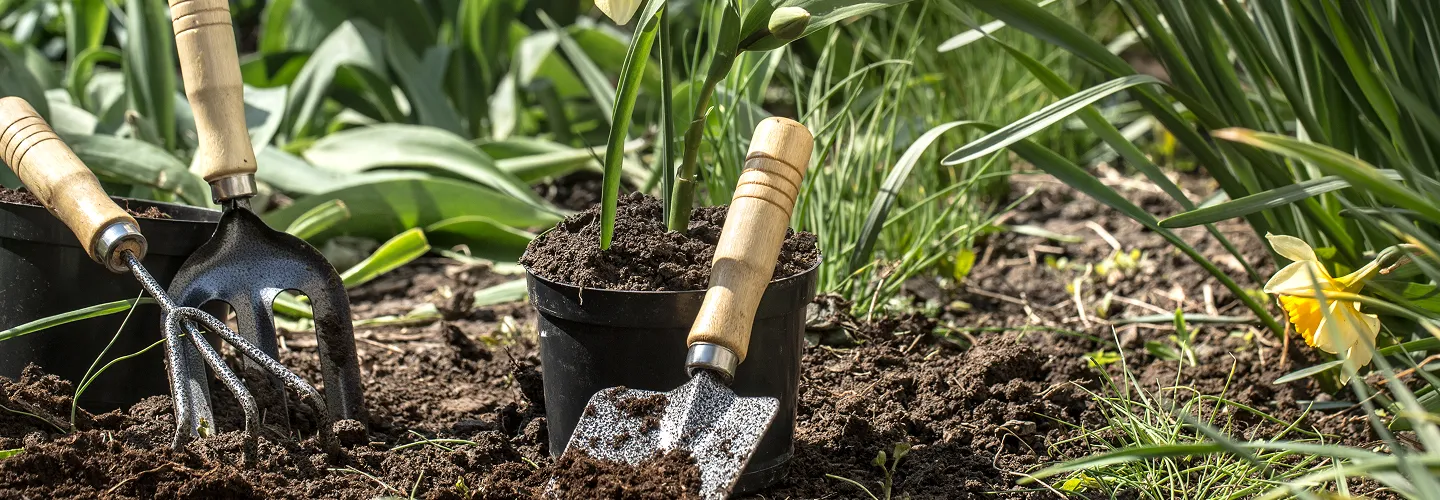
Mesa Lawn Leveling Services
Choose our expert lawn leveling services for a healthier, more beautiful yard—enjoy improved drainage, safer play areas, and a flawless landscape that boosts your home's curb appeal.
Get a Free QuoteOur Mesa Landscaping & Yard Care Services
When to Schedule Lawn Leveling in Mesa, Arizona – Seasonal Guide
In Mesa, Arizona, the best time to schedule lawn leveling is typically during the late spring or early fall. These seasons offer moderate temperatures and reduced risk of extreme weather, which helps new grass and soil settle effectively. Mesa’s unique desert climate—characterized by hot, dry summers and mild winters—means that timing is crucial to avoid heat stress or frost damage. For neighborhoods near Red Mountain Park or Dobson Ranch, where soil can be sandy or compacted, choosing the right season ensures optimal results and long-lasting improvements.
Local environmental factors play a significant role in determining the ideal window for lawn leveling. For example, areas with dense shade from mature trees in Las Sendas may require different timing than open, sun-exposed lawns in Eastmark. It’s also important to consider Mesa’s average last frost date in early February and the potential for drought conditions as summer approaches. For more information on local regulations and best practices, visit the City of Mesa’s official resource.
Local Factors to Consider for Lawn Leveling in Mesa
- Tree density and shade coverage (affects soil moisture and grass growth)
- Soil type (sandy, clay, or compacted soils common in neighborhoods like Alta Mesa)
- Terrain and slope (impacts water runoff and leveling needs)
- Seasonal precipitation patterns (monsoon season vs. dry months)
- Municipal restrictions or watering schedules
- Proximity to landmarks or parks (may influence microclimates and soil conditions)
Benefits of Lawn Leveling in Mesa
Enhanced Curb Appeal
Improved Lawn Health
Efficient Water Drainage
Safer Outdoor Spaces
Easier Lawn Maintenance
Increased Property Value
Mesa Lawn Leveling Types

Topdressing Lawn Leveling
Topdressing involves spreading a thin layer of soil or sand to even out minor bumps and depressions.
-
Laser Grading
Laser grading uses precision equipment to achieve a perfectly level lawn surface for optimal drainage.
-
Sod Removal and Regrading
This method removes existing sod, regrades the soil beneath, and then replaces or installs new sod.
-
Fill and Compact Leveling
Soil or sand is added to low spots and compacted to create a smooth, even lawn surface.
-
Power Raking and Leveling
Power raking removes thatch and debris, allowing for easier leveling and improved lawn health.
-
Drainage Correction Leveling
This approach addresses drainage issues by reshaping the lawn to direct water away from problem areas.
Our Lawn Leveling Process
Site Evaluation
Soil Preparation
Leveling Application
Compaction
Final Inspection
Why Choose Mesa Landscape Services
-
Mesa Homeowners Trust Us
-
Expert Lawn Maintenance
-
Reliable Irrigation Solutions
-
Competitive Pricing
-
Professional Team
-
Satisfaction Guarantee
-
Personalized Service
Coordinating Lawn Leveling Projects with Mesa's Engineering and Development Departments
Lawn leveling in Mesa requires awareness of how grading changes interact with the city's established drainage infrastructure. Even modest regrading of a residential yard can redirect surface water toward neighboring properties, retention basins, or storm-drain inlets. Before beginning any leveling work, property owners and managers should determine whether the scope of the project triggers review under Mesa's municipal engineering or development standards. The city's Engineering Design Standards define technical criteria for grading, drainage flow, and stormwater management that apply to both public and private improvements.
- Verify whether the proposed grade change affects drainage patterns along property lines, sidewalks, or rights-of-way
- Confirm that fill material or topdressing will not obstruct existing retention areas or curb inlets
- Coordinate with the Development Services Department if the leveling project is part of a larger site improvement or renovation
- Retain documentation of pre-existing grades and post-leveling elevations for any future compliance inquiries
Mesa Development Services Department
55 N. Center St., Mesa, AZ 85201
Official Website: Mesa Development Services Department
Residents should contact this department early in the planning process to confirm whether a specific leveling scope requires formal review or can proceed as routine landscape maintenance.
How Mesa's Alkaline Soils and Caliche Layers Affect Lawn Leveling Outcomes
Mesa sits within the Phoenix metro low-desert region, classified under USDA Hardiness Zone 9b to 10a, where extreme summer heat, alkaline sandy loam soils, and subsurface caliche create distinct challenges for lawn leveling. The predominant soil profiles across Mesa's residential areas frequently include compacted subdivision fill, imported topsoil of variable quality, and native calcareous layers that resist water infiltration. These conditions directly influence how topdressing material integrates with the existing root zone and how effectively surface water drains after regrading.
- Caliche obstructions: Hardpan caliche layers can sit just inches below the turf surface, preventing proper settling of fill material and blocking root penetration after leveling
- Alkaline soil pH: Mesa soils commonly exceed pH 8.0, which affects nutrient availability in any imported topdressing blend and can stress bermudagrass recovery
- Monsoon runoff behavior: Intense summer storms deliver heavy rainfall in short bursts, and improperly graded lawns channel water toward foundations, block walls, or neighboring lots rather than toward designated drainage corridors
- Reflected heat from hardscape: Concrete patios, block walls, and driveways radiate heat that accelerates moisture loss from freshly leveled and topdressed turf areas, demanding careful irrigation adjustment
The University of Arizona Cooperative Extension provides region-specific guidance on turf recovery and soil management practices suited to low-elevation Arizona conditions.
Navigating Mesa's Stormwater and Grading Regulations for Lawn Leveling Compliance
Lawn leveling projects in Mesa must comply with stormwater management requirements that protect the city's municipal separate storm sewer system (MS4). Under the Clean Water Act and Arizona DEQ Phase II MS4 program, sediment-laden runoff from grading and topdressing operations must not enter storm drains, washes, or flood-control channels. Mesa's Environmental and Sustainability Division oversees local environmental compliance, including dust and sediment control during landscape earthwork.
- Loose fill material and topdressing sand must be stabilized promptly to prevent wind erosion and stormwater transport
- Excess soil or debris from leveling operations must not be deposited in street gutters, curb inlets, or adjacent drainage easements
- Properties adjacent to washes, arroyos, or Flood Control District of Maricopa County channels may face additional restrictions on grade changes that alter runoff patterns
- The city's development codes and ordinances govern land-use compliance for grading that exceeds routine maintenance thresholds
Mesa Environmental and Sustainability Division
Official Website: Mesa Environmental and Sustainability Division
Arizona Department of Environmental Quality - Stormwater Program
1110 W. Washington St., Phoenix, AZ 85007
Official Website: Arizona DEQ - Stormwater
Property owners should verify current requirements with these agencies before initiating leveling work that involves significant material import or grade modification near drainage infrastructure.
Timing Lawn Leveling Around Mesa's Monsoon Season and Bermudagrass Growth Cycles
Professional lawn leveling in Mesa's low-desert climate must align with bermudagrass active growth periods to ensure turf recovery after topdressing. The Turfgrass Maintenance Guide for low-elevation Arizona identifies late spring through early summer as the primary window when bermudagrass is actively spreading and can grow through applied fill material. Leveling during dormancy or immediately before monsoon season introduces significant risks of material washout and failed turf recovery.
- Optimal timing: Late April through June, when soil temperatures consistently exceed 80°F and bermudagrass is in peak vegetative growth
- Topdressing material: A clean, weed-free sand or sand-compost blend matched to the existing soil texture promotes even settling and avoids creating layered soil profiles that impede drainage
- Application depth: Topdressing should not exceed approximately half an inch per application to avoid smothering the turf crown; severely uneven areas require multiple passes over successive weeks
- Irrigation coordination: Leveled areas require light, frequent irrigation immediately after topdressing to settle material into the canopy, transitioning to deeper watering as the turf recovers
- Scalping prevention: Correcting low spots eliminates areas where mower blades cut too close, reducing heat stress and disease susceptibility during Mesa's extreme summer temperatures
- Pre-monsoon completion: All leveling and topdressing work should be fully stabilized before the typical July monsoon onset to prevent sediment migration into storm infrastructure
What Neighborhoods Do We Serve Throughout Mesa, AZ?
- Dobson Ranch — Mature irrigated bermudagrass lawns on older subdivision fill frequently develop uneven settling around irrigation valve boxes and tree root zones, requiring targeted leveling corrections.
- Las Sendas — Properties at higher elevations along the Usery Mountain foothills may encounter rocky native soils and slope-influenced drainage patterns that complicate standard leveling approaches.
- Superstition Springs — Established residential lots near retention basins and flood-control channels require careful grade assessment to ensure leveling does not redirect surface water toward shared drainage infrastructure.
- Dana Park / Reed Park — Older central Mesa neighborhoods with mature landscapes often exhibit significant grade irregularities from decades of root growth, irrigation settlement, and incremental soil loss.
- Eastmark — Newer master-planned subdivision lots built on compacted fill material are prone to differential settling within the first several years, creating low spots that benefit from early leveling intervention.
- Alta Mesa — Mid-century residential properties with established bermudagrass lawns and aging flood irrigation systems frequently present uneven surfaces from long-term water channeling and soil compaction.